
Trinidad & Tobago

The birthplace of steel pan, calypso and soca, with the Caribbean's biggest carnival on Trinidad and quiet beaches on Tobago.

Back to the Caribbean map

Trinidad & Tobago at a glance

Trinidad and Tobago sits just off the coast of Venezuela and is two very different islands in one country. Trinidad is big, busy and industrial, with an economy built on oil and natural gas and a capital, Port of Spain, that comes alive every year for the most famous carnival in the Caribbean.

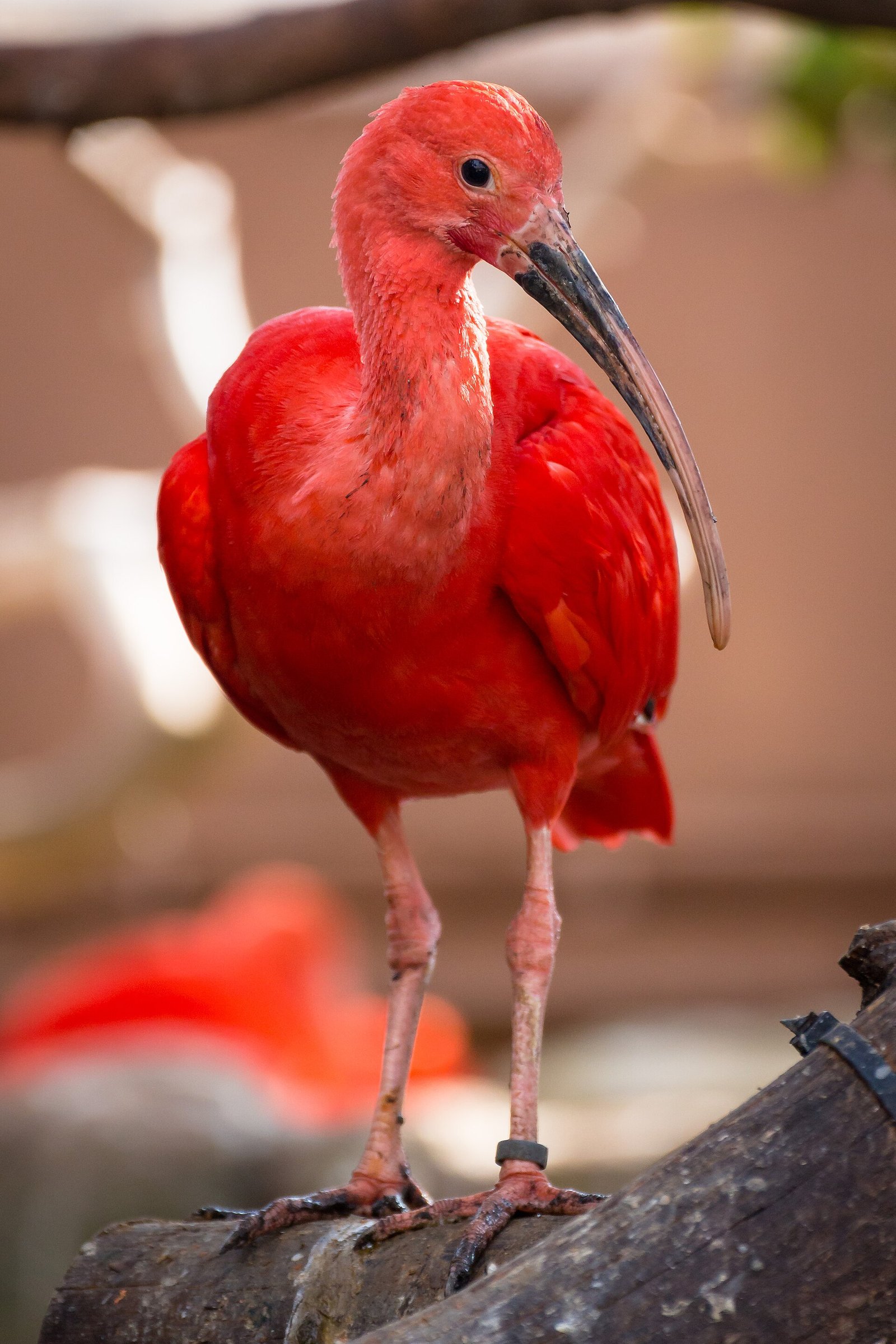
Tobago is small and quiet, with beaches like Pigeon Point, reefs at Buccoo, and the Main Ridge Forest Reserve, established in 1776 and considered one of the oldest protected rainforests in the world. On Trinidad, the Caroni Swamp fills at dusk with flocks of bright red scarlet ibis, the national bird.
Getting there from Jamaica

This is one of the easier eastern connections from Jamaica. Caribbean Airlines, Trinidad and Tobago's national airline, has long flown between Kingston and Port of Spain. Check the current schedule before you book.

Between the two islands, short flights and ferries connect Trinidad and Tobago daily.

Scarlet ibis

How it compares to Jamaica

Trinidad is the only island that can rival Jamaica for musical influence. Jamaica gave the world reggae and dancehall; Trinidad gave the world steel pan, calypso and soca. Carnival, held on the Monday and Tuesday before Ash Wednesday, is the heart of the culture.

The population is a mix of African, Indian, Chinese, European and Middle Eastern roots, and the food shows it. Try doubles (curried chickpeas in fried bread) for breakfast, roti for lunch, and bake and shark at Maracas Bay. Like Jamaica, Trinidad has crime problems in parts of the capital, so local advice matters.

Photo: Rafa Esteve via Wikimedia Commons, CC BY-SA 4.0

Top things to do

  • Play mas at Carnival in Port of Spain, or at least watch a steel band practice in a panyard.
  • Eat bake and shark at Maracas Bay.
  • Watch the scarlet ibis return at dusk on a boat tour of the Caroni Swamp.
  • Visit the Asa Wright Nature Centre for world-class birdwatching.
  • Relax on Tobago at Pigeon Point and swim in the Nylon Pool.
  • Watch leatherback turtles nest on beaches like Matura and Grande Riviere from March to August.

January to May is dry. Carnival usually falls in February or early March.

Where to stay

In Trinidad, most visitors stay in Port of Spain, especially around Queen's Park Savannah and the St. Clair and Woodbrook neighborhoods, close to restaurants and Carnival events. Nature lovers can stay at lodges in the Northern Range, near the Asa Wright Nature Centre. On Tobago, the southwest, near Crown Point and Store Bay, has the most hotels and is close to the airport and Pigeon Point. The northeast, around Speyside and Charlotteville, is quieter and great for divers.

Before you go

  • Currency: Trinidad and Tobago dollar (TTD)
  • Language: English
  • Driving: left-hand side
  • Best for: carnival lovers, food lovers, birdwatchers and, on Tobago, beach and dive trips

In the south of Trinidad, the Pitch Lake at La Brea is the largest natural deposit of asphalt in the world, and you can walk on its surface. If you are visiting for Carnival, book accommodation and costumes months ahead.