
Puerto Rico

A Spanish-speaking US territory with a walled colonial city, the only tropical rainforest in the US National Forest system, and glowing bioluminescent bays.

Back to the Caribbean map
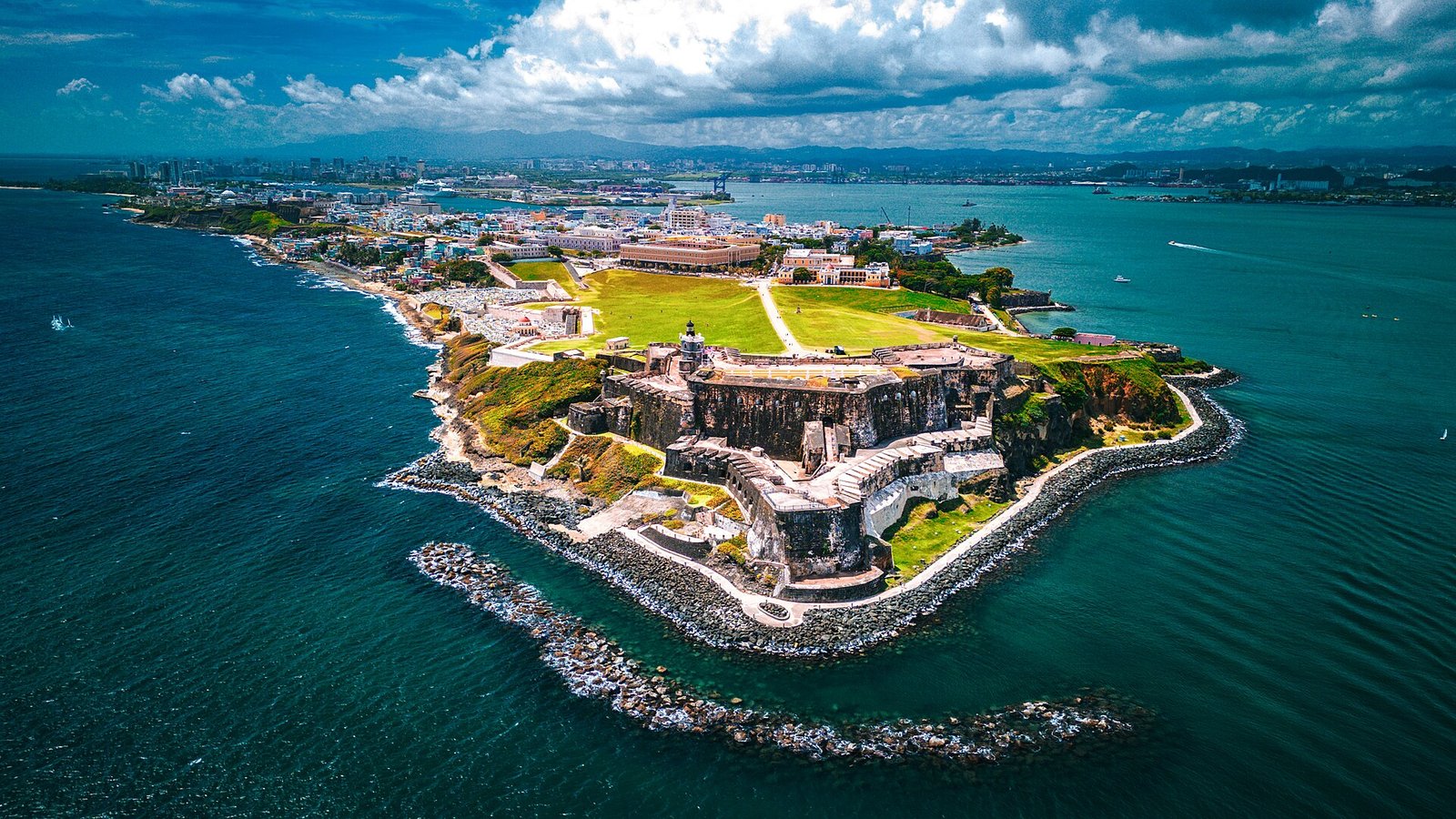
Old San Juan

Puerto Rico at a glance

Puerto Rico is the smallest of the Greater Antilles and a territory of the United States. Old San Juan is its heart: blue cobblestone streets, brightly painted colonial houses, and the huge fortresses of El Morro and San Cristóbal guarding the harbor.

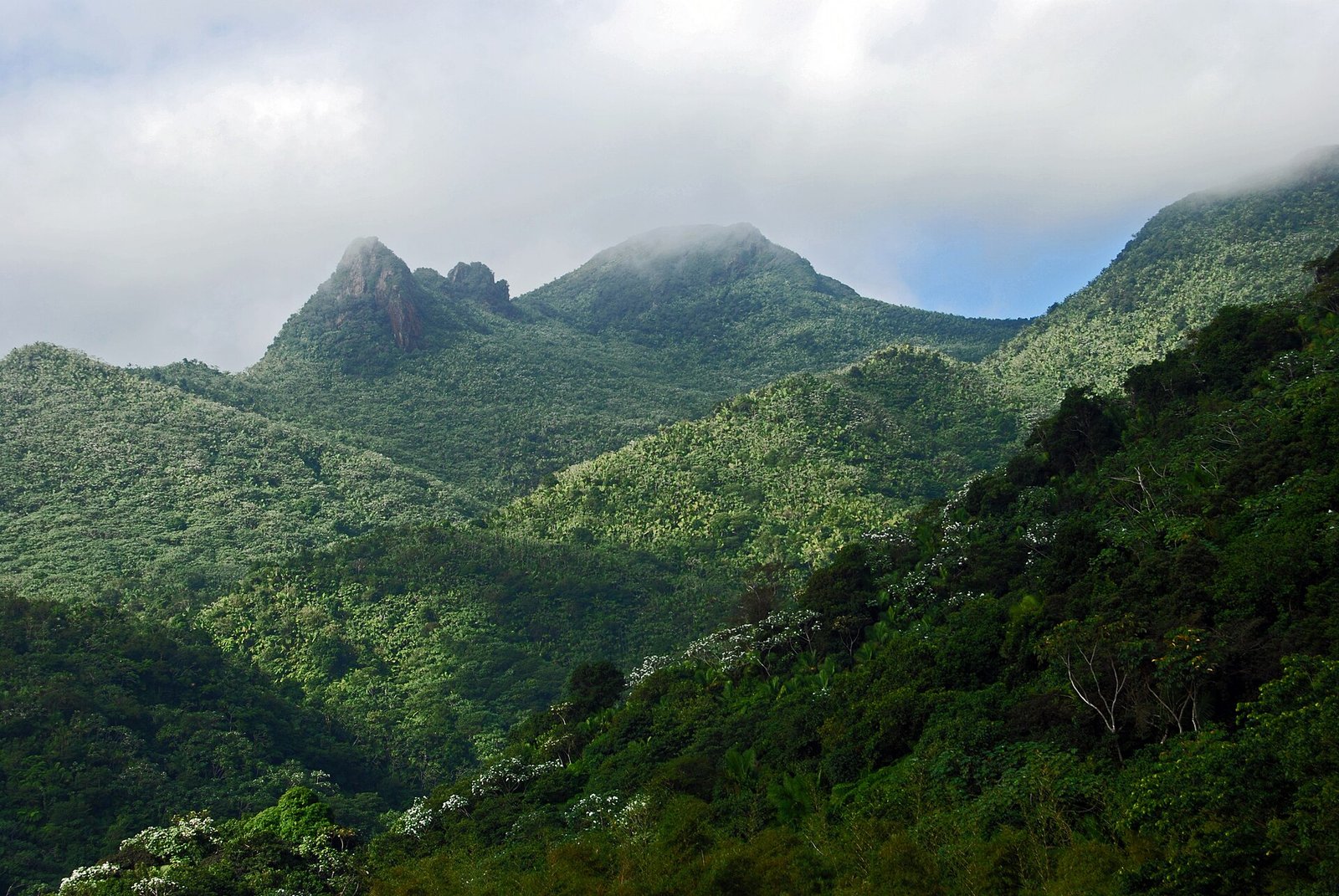
An hour east, El Yunque National Forest is the only tropical rainforest in the US National Forest system, full of waterfalls and the call of the tiny coquí frog. Puerto Rico also has three bioluminescent bays, where the water glows blue when you move through it at night. Mosquito Bay on the island of Vieques is considered one of the brightest in the world.

Photo: Nils Huenerfuerst  via Wikimedia Commons, CC BY 4.0
Getting there from Jamaica

San Juan's Luis Muñoz Marín airport is a major Caribbean hub with lots of connections, and it is often the gateway to the Virgin Islands and islands further east.

Entry: Puerto Rico follows US immigration rules. US citizens need no passport. Jamaicans and most other visitors need the same visa or travel authorization they would need for the mainland United States.

El Yunque National Forest

How it compares to Jamaica

Puerto Rico feels like a mix of Latin America and the United States. You will find highways, big box stores and familiar chains next to roadside lechoneras roasting whole pigs, especially along the "Ruta del Lechón" in Guavate. Spanish is the everyday language, though English is widely understood in tourist areas.

Prices are closer to the mainland US than to Jamaica. Musically, the island gave the world reggaeton and has deep roots in bomba and plena. Try mofongo, mashed fried plantain with garlic, often filled with seafood or meat.

Photo: Harvey Barrison via Wikimedia Commons, CC BY-SA 2.0

Top things to do

  • Explore El Morro and Old San Juan on foot, including the city walls and colorful Calle Fortaleza.
  • Hike in El Yunque to waterfalls like La Mina.
  • Kayak a bioluminescent bay on a dark, moonless night for the brightest glow.
  • Take the ferry to Culebra for Flamenco Beach and snorkeling at Tamarindo.
  • Eat your way down the Ruta del Lechón in Guavate on a weekend afternoon.
  • Tour the Bacardí distillery across the bay in Cataño.

Winter is peak season. Visiting in spring or early summer means fewer crowds and lower prices.

Where to stay

Old San Juan is perfect for a first visit, with history, restaurants and nightlife within walking distance. Condado and Isla Verde are beachfront areas with big hotels close to the airport. For a slower pace, Rincón on the west coast is a surf town known for sunsets, and Vieques and Culebra offer quiet island stays near the best bio bay and beaches. East of San Juan, Fajardo is a handy base for El Yunque and ferries to the smaller islands.

Before you go

  • Currency: US dollar
  • Languages: Spanish and English
  • Driving: right-hand side
  • Best for: Americans who want the Caribbean without a passport, food lovers, and island hoppers using San Juan as a base

The electricity grid is still less reliable than on the mainland, and short outages happen. For beaches, Flamenco Beach on the island of Culebra is regularly ranked among the best in the Caribbean.