
Martinique

A French island of volcanic peaks, Creole culture, fine rum and white-sand beaches, where French and Caribbean life blend together.

Back to the Caribbean map
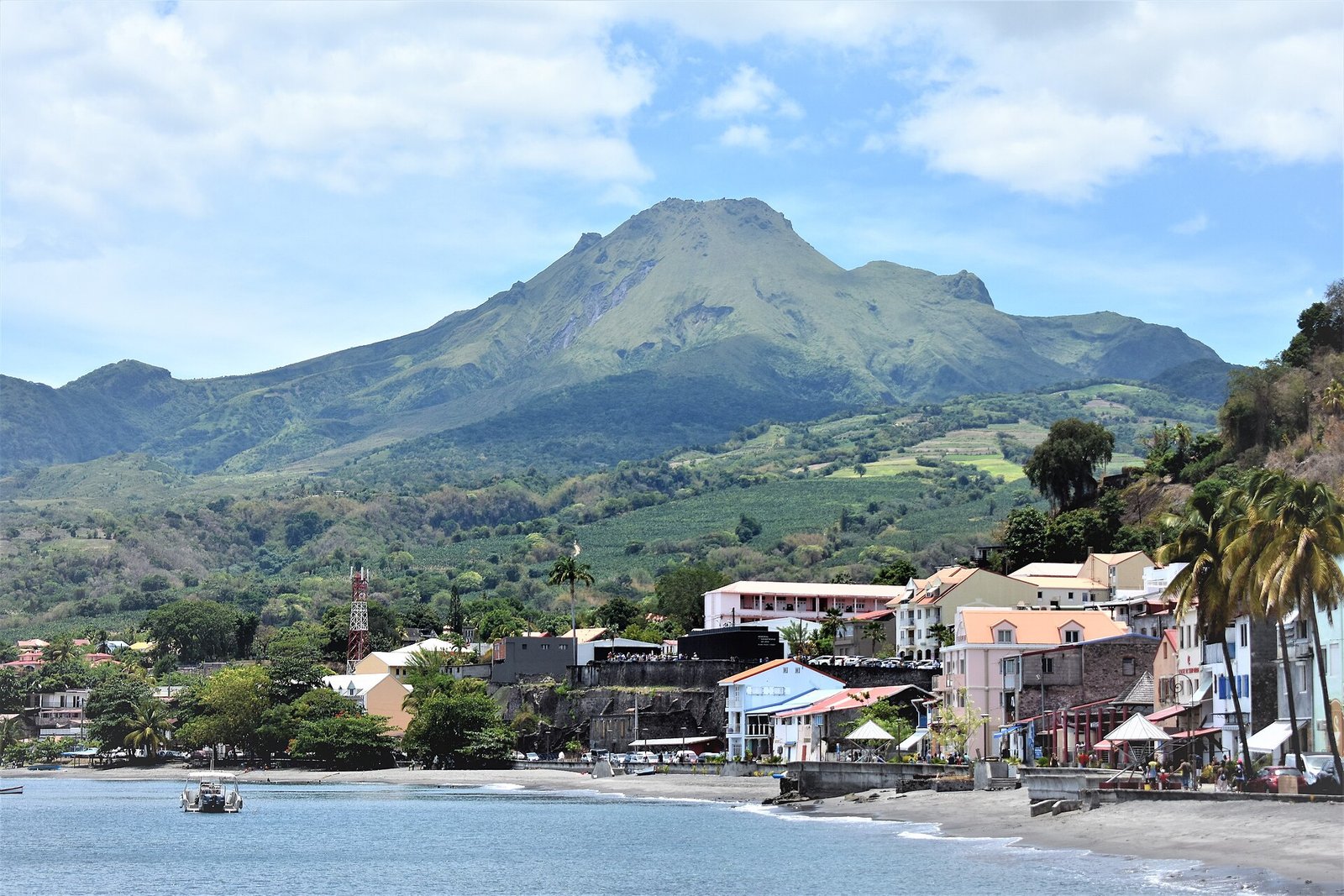
Mount Pelée

Martinique at a glance

Martinique is an overseas region of France, green and mountainous in the north and sunny with white-sand beaches in the south. The island's landmark is Mount Pelée, the volcano whose 1902 eruption destroyed the town of Saint-Pierre in minutes and killed around 28,000 people. Today you can walk among the ruins and hike to the summit.

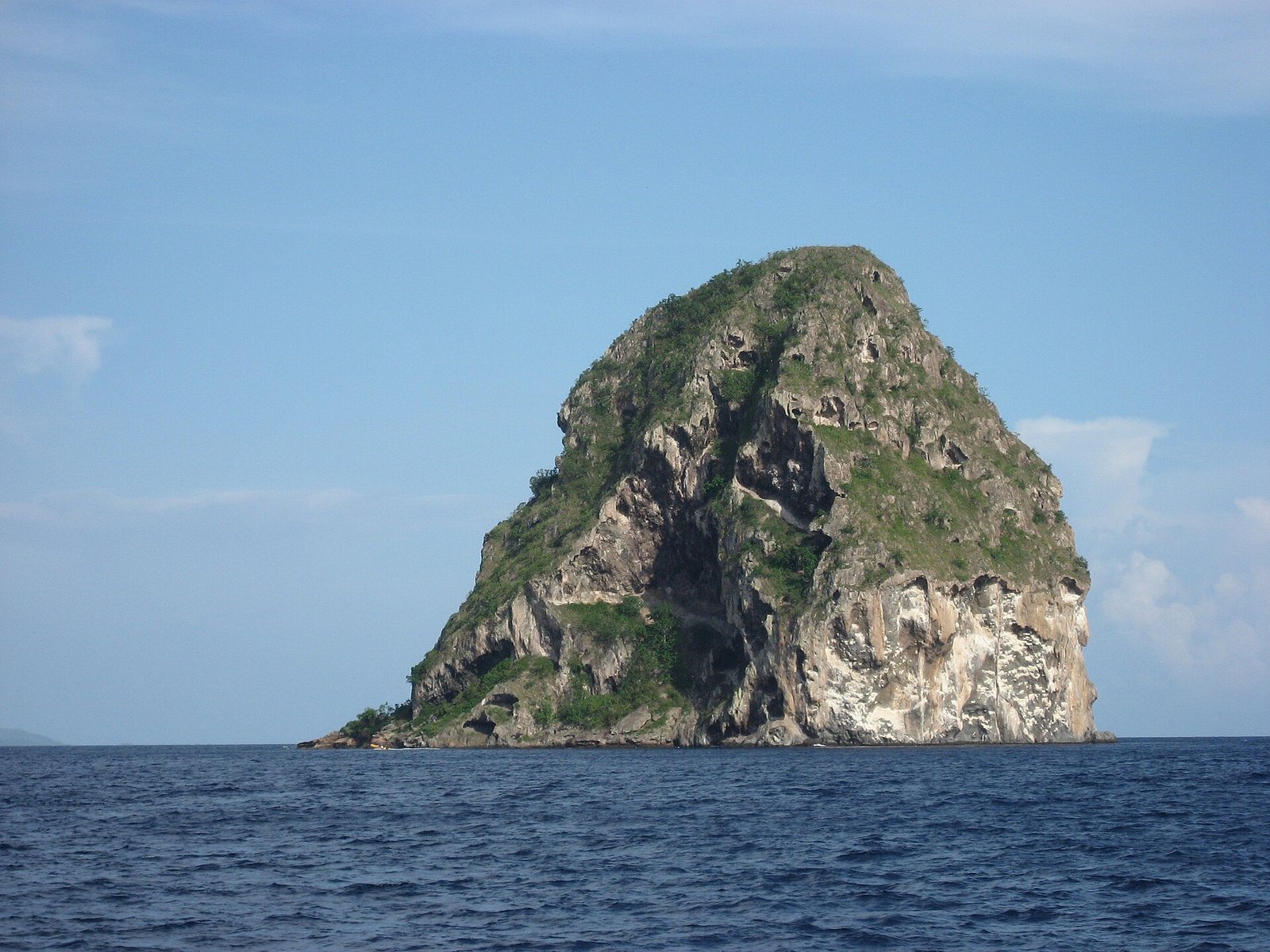
In the south, Les Salines is one of the Caribbean's prettiest beaches, and Diamond Rock rises straight out of the sea off the coast. The capital, Fort-de-France, has markets, a historic fort and the striking Schoelcher Library.

Photo: Rehcral via Wikimedia Commons, CC BY-SA 4.0
Getting there from Jamaica

Martinique's airport has frequent flights from Paris, regional flights around the French Caribbean, and some seasonal service from North America. From Jamaica, expect at least one connection.

Ferries link Martinique with Dominica, Guadeloupe and St. Lucia.

Diamond Rock

How it compares to Jamaica

Like Jamaica, Martinique mixes mountains, rainforest and beaches, but the culture is French and Creole instead of English. Everyday life runs on French systems, with good roads, supermarkets and European prices. It is often more expensive than Jamaica.

Martinique is famous for its rum. It is the only rum in the world with a French AOC designation, made as rhum agricole from fresh cane juice, and many distilleries welcome visitors. Martinique was also the birthplace of Joséphine, Napoleon's empress, and of the poet and politician Aimé Césaire, a founder of the Négritude movement.

Photo: Apmarles via Wikimedia Commons, CC BY 3.0

Top things to do

  • Visit the ruins of Saint-Pierre and its volcano museum.
  • Hike Mount Pelée on a clear morning.
  • Tour a rum distillery such as Habitation Clément or Depaz.
  • Relax at Les Salines and the beaches of Sainte-Anne.
  • Explore the Balata Garden near Fort-de-France, with a treetop walkway.
  • Snorkel with turtles at Anse Dufour and Grande Anse d'Arlet.

December to May is the dry season. Carnival, before Lent, is a big celebration here too.

Where to stay

The south of Martinique has the most beaches and hotels. Sainte-Anne and Sainte-Luce are near Les Salines and calm beaches, while Les Trois-Îlets has resorts, a marina and ferries to Fort-de-France. The Anses d'Arlet area is great for snorkeling with turtles. The north, around Saint-Pierre and Le Carbet, is quieter and closer to Mount Pelée and the rainforest. Villas and small guesthouses are popular and often cheaper than hotels.

Before you go

  • Currency: euro
  • Languages: French and Martinican Creole
  • Driving: right-hand side
  • Best for: food and rum lovers, hikers, and travelers who enjoy French culture

English is not widely spoken outside tourist areas, so learn a few French phrases. The whole island has been recognized as a UNESCO Biosphere Reserve for its landscapes and ecosystems.