
Dominica

The "Nature Island" of the Caribbean: rainforest, hot springs, waterfalls, a boiling lake, and whales offshore. Not to be confused with the Dominican Republic.

Back to the Caribbean map
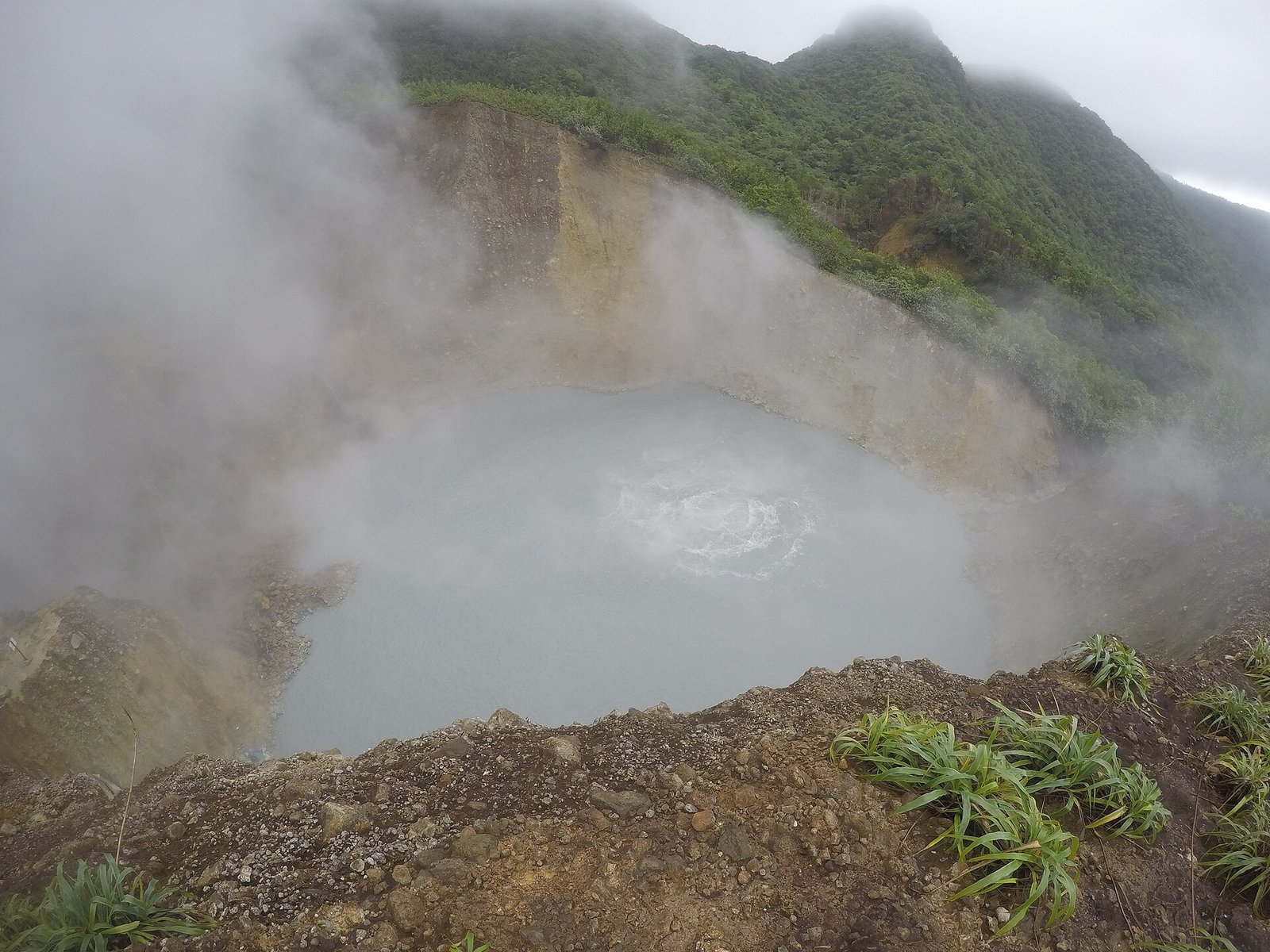
Boiling Lake

Dominica at a glance

Dominica (pronounced dom-in-EE-ka) is a rugged, volcanic island between Guadeloupe and Martinique, and one of the least developed for tourism in the Caribbean. That is exactly its appeal. The island is covered in rainforest, rivers and waterfalls, with Morne Trois Pitons National Park listed as a UNESCO World Heritage Site.

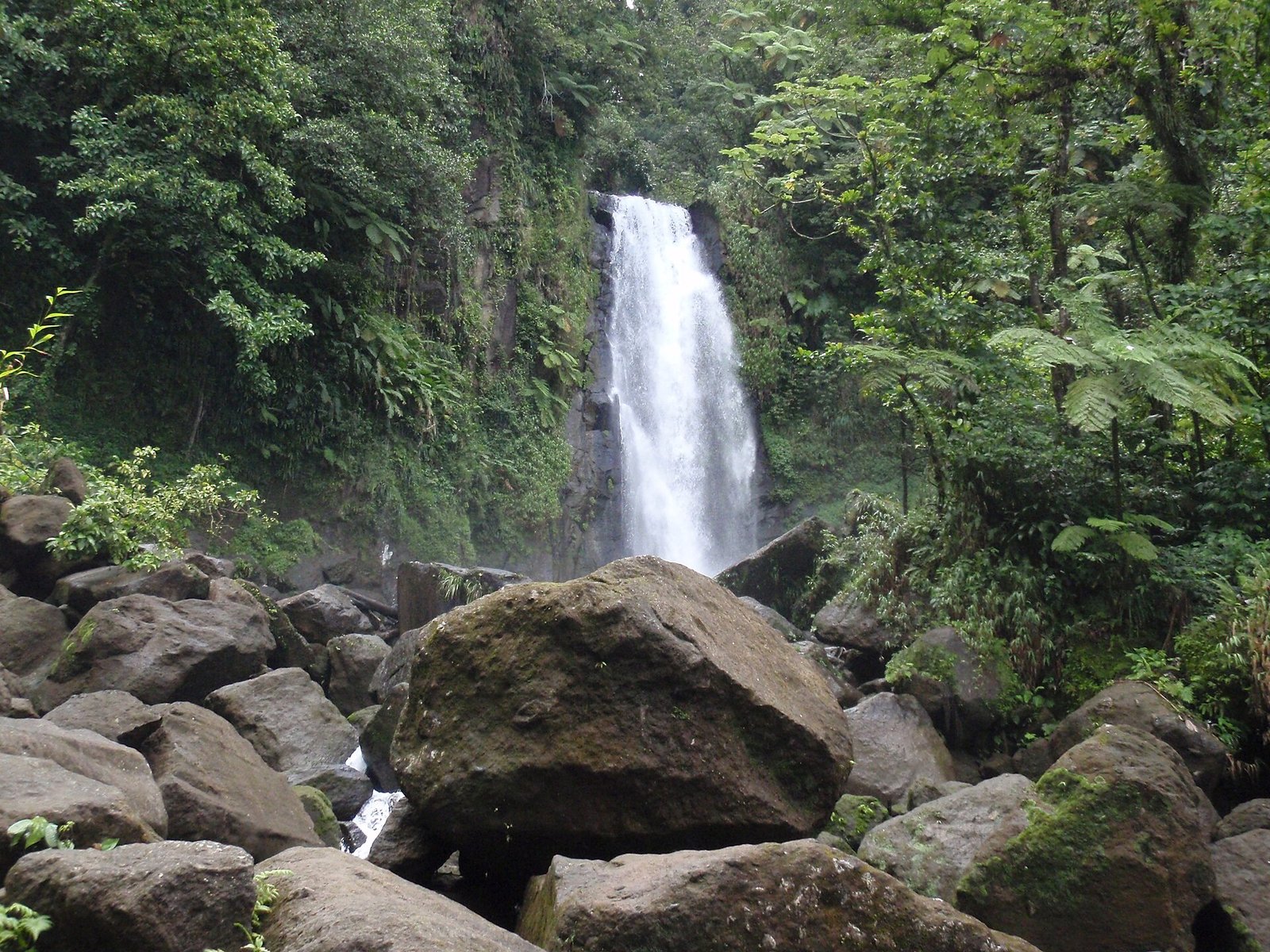
Inside the park, a tough day hike leads to the Boiling Lake, a flooded fumarole where the water bubbles and steams. The twin Trafalgar Falls are much easier to reach. Offshore, Dominica is one of the best places in the world to see sperm whales, which live in its deep waters all year.

Photo: Bayukjdr via Wikimedia Commons, CC BY-SA 4.0
Getting there from Jamaica

Dominica has small airports that mainly handle regional flights, so most visitors connect through Antigua, Barbados, St. Martin, San Juan or Guadeloupe. Ferries also link Dominica with Guadeloupe and Martinique.

Getting there takes some effort, which is part of why the island feels untouched.

Trafalgar Falls

How it compares to Jamaica

Of all the eastern islands, Dominica may feel the most like the wild parts of Jamaica: steep mountains, rivers, waterfalls, small villages and roadside fruit stands. It is even more rugged, though, with fewer beaches and very little resort development. Most of the coast is black volcanic sand and rock.

Dominica is also home to the Kalinago people, descendants of the island's original Indigenous inhabitants, who live in the Kalinago Territory on the east coast and welcome visitors to learn about their culture. English is official, and many people also speak a French-based Creole.

Photo: Nelro (talk) via Wikimedia Commons, Public domain

Top things to do

  • Hike to the Boiling Lake with a guide, a full, challenging day through the Valley of Desolation.
  • Swim at Titou Gorge, a narrow canyon with a warm spring and waterfall.
  • Go whale watching for resident sperm whales.
  • Snorkel Champagne Reef among volcanic bubbles.
  • Visit the Kalinago Territory and its cultural center.
  • Soak in the hot springs at Wotten Waven.

The dry season, roughly February to May, is best for hiking. The World Creole Music Festival takes place in late October.

Where to stay

Dominica has no big resorts, but it has a growing number of eco-lodges tucked into the rainforest and along the coast. The Roseau Valley, near the capital, puts you close to hot springs, Trafalgar Falls and hiking trails. Portsmouth, in the north, is a base for the Indian River and the Cabrits National Park. The west coast around Mero has the island's best beach. Wherever you stay, expect nature sounds, simple comforts and winding drives.

Before you go

  • Currency: Eastern Caribbean dollar (XCD)
  • Languages: English and Kwéyòl (Creole)
  • Driving: left-hand side, on steep, winding mountain roads
  • Best for: hikers, divers, whale watchers and nature lovers

The Waitukubuli National Trail runs the length of the island in sections if you want serious hiking. At Champagne Reef, warm volcanic gas bubbles up through the sea floor while you snorkel. The island was hit hard by Hurricane Maria in 2017 and has worked to rebuild.