
Curaçao

A Dutch Caribbean island with a colorful UNESCO-listed capital, hidden coves, excellent diving and the famous blue liqueur.

Back to the Caribbean map
Willemstad

Curaçao at a glance

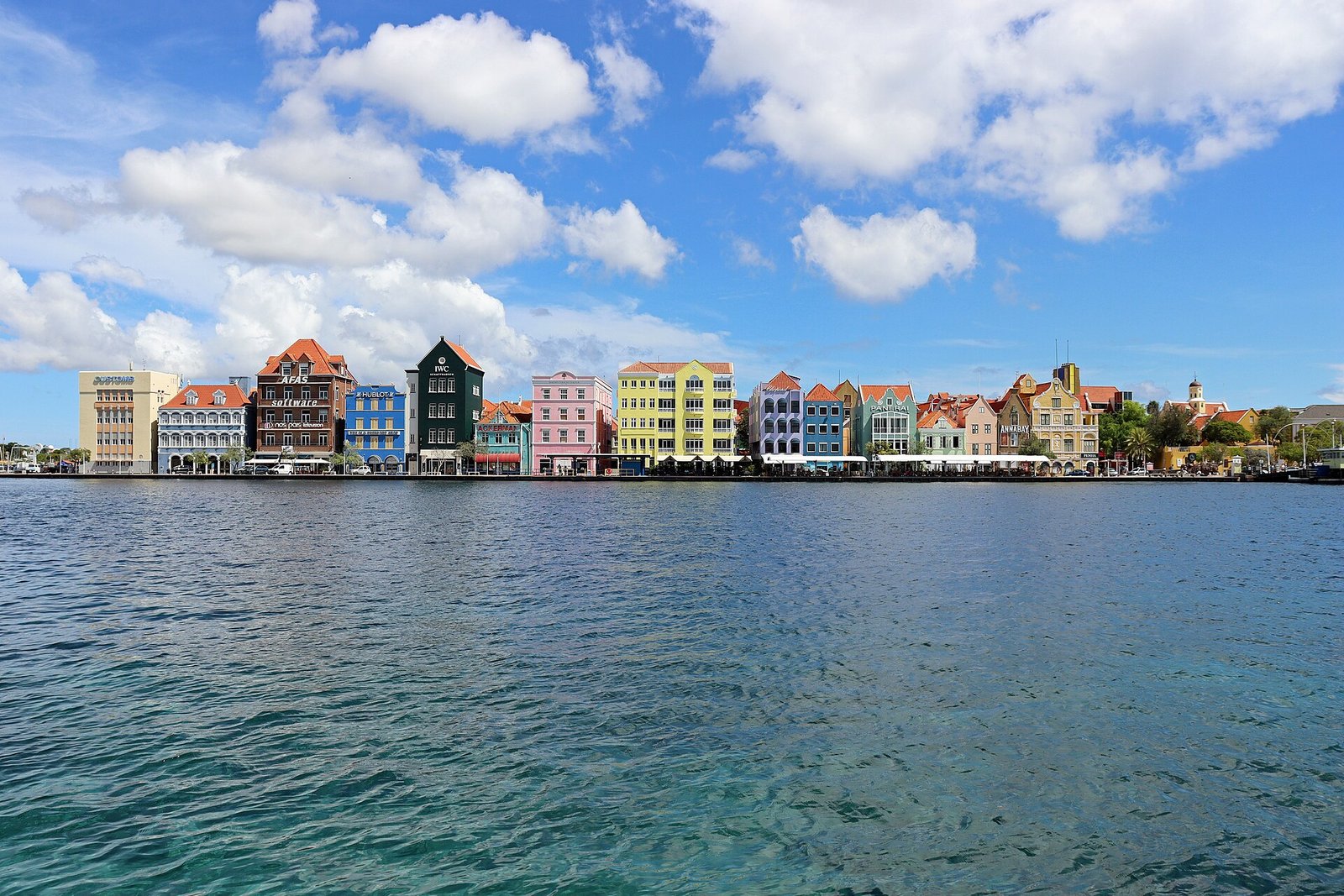
Curaçao is the largest of the ABC islands (Aruba, Bonaire and Curaçao) and part of the Kingdom of the Netherlands. Its capital, Willemstad, is one of the most colorful cities in the Caribbean. The Handelskade waterfront is lined with pastel Dutch colonial buildings, and the historic city is a UNESCO World Heritage Site.

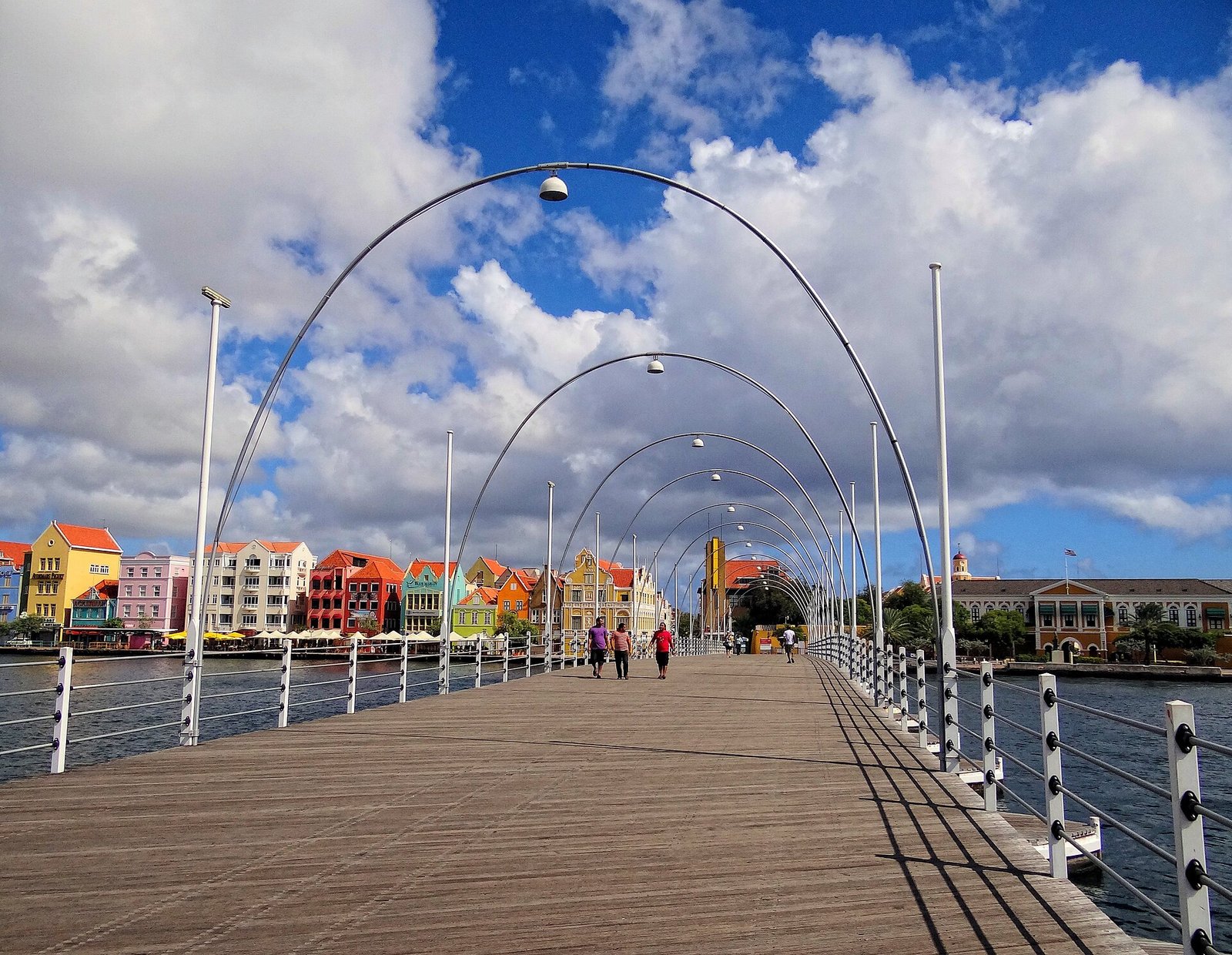
The Queen Emma Bridge, a floating pontoon bridge nicknamed the "Swinging Old Lady," swings open to let ships into the harbor. Around the island, small beaches tucked into coves, like Grote Knip and Playa Lagun, have clear water and good snorkeling.

Photo: Coolcaesar via Wikimedia Commons, CC BY 4.0
Getting there from Jamaica

Curaçao has direct flights from the US, Canada, the Netherlands and South America, plus short hops to Aruba and Bonaire. From Jamaica, expect to connect through Miami, Panama City or another regional hub.

Check the current entry requirements for your passport, including any online forms, before traveling.

Queen Emma Bridge

How it compares to Jamaica

Like Aruba, Curaçao is dry and rocky rather than green, and it sits outside the main hurricane path. But it has more history and culture than Aruba, with old plantation houses called landhuizen and museums like Kura Hulanda, which tells the story of the Atlantic slave trade.

Papiamentu is the local language, and most people also speak Dutch, English and Spanish. The island gave its name to blue Curaçao liqueur, made from the peel of the bitter laraha orange that grows here. Curaçao is generally a bit more affordable than Aruba.

Photo: Bjørn Christian Tørrissen via Wikimedia Commons, CC BY-SA 3.0

Top things to do

  • Walk across the Queen Emma Bridge and explore Punda and Otrobanda in Willemstad.
  • Hike Mount Christoffel early in the morning.
  • Swim at Grote Knip and the western beaches.
  • Take a boat to Klein Curaçao for snorkeling with turtles.
  • Visit Kura Hulanda Museum for a powerful look at the history of slavery.
  • Tour the Curaçao Liqueur Distillery at Landhuis Chobolobo.

Curaçao is good year-round, with low hurricane risk. Carnival in February is lively.

Where to stay

Willemstad is the most convenient base, with hotels in the colorful Punda and Otrobanda districts, and resorts along the coast at Pietermaai and Jan Thiel, known for beach clubs and nightlife. For divers and beach lovers, the quieter west side around Westpunt and Lagun has small resorts and apartments close to the best coves. A rental car is recommended, since the beaches are spread out along the coast.

Before you go

  • Currency: Caribbean guilder; US dollars are widely accepted
  • Languages: Papiamentu and Dutch, with English and Spanish widely spoken
  • Driving: right-hand side
  • Best for: divers, snorkelers, history lovers and travelers who like exploring small beaches

For the best view on the island, hike Mount Christoffel in Christoffel National Park early in the morning before the heat. Boat trips to uninhabited Klein Curaçao are popular for snorkeling with turtles.